

Your payroll system says an employee received $15,000 in overtime pay. How much belongs in employer qualified overtime reporting for 2026, is it $15,000, $10,000 or $5,000? For ordinary time-and-a-half overtime required by the Fair Labor Standards Act, the qualified amount may be only $5,000. The employee’s federal deduction generally applies to the extra one-half-timeContinue reading ““No Tax on Overtime” Creates a New Employer Reporting Responsibility”
Category Archives: Taxes
“No Tax on Tips” Creates New Payroll Questions for Employers

If your payroll report says an employee received $12,000 in tips, do you know whether all $12,000 qualifies under the new federal rules? “No Tax on Tips” creates employer no tax on tips rules in 2026. Employer qualified tips reporting now requires more than putting every customer-related payment into one “tips” category. Employer No TaxContinue reading ““No Tax on Tips” Creates New Payroll Questions for Employers”
NYC Home Office Deduction for Condo and Co-op Owners

We love being in New York City, but running a business here can get expensive. That means we want to take advantage of legitimate tax deductions wherever they are available. For business owners who work from home, the NYC home office deduction can be one of them. When you rent your apartment, the basic calculationContinue reading “NYC Home Office Deduction for Condo and Co-op Owners”
Trump Accounts for Kids: What Parents Should Know

If you have children, grandchildren, or employees with children, Trump Accounts for kids are worth putting on your radar. These new accounts are designed to help families begin investing for children before they have earned income of their own. Some eligible children can also receive a one-time $1,000 federal government contribution. For business owners, thereContinue reading “Trump Accounts for Kids: What Parents Should Know”
How NYS Voluntary Disclosure Saved Our Client $13,000

The NYS Voluntary Disclosure Program can give an eligible business owner a way to correct past tax problems before the Tax Department contacts them. In one recent case, we used the program to help a New York City business address 21 unfiled sales tax returns, avoid nearly $13,000 in penalties, and create a manageable planContinue reading “How NYS Voluntary Disclosure Saved Our Client $13,000”
S Corp tax changes: 5 Changes Business Owners Should Understand
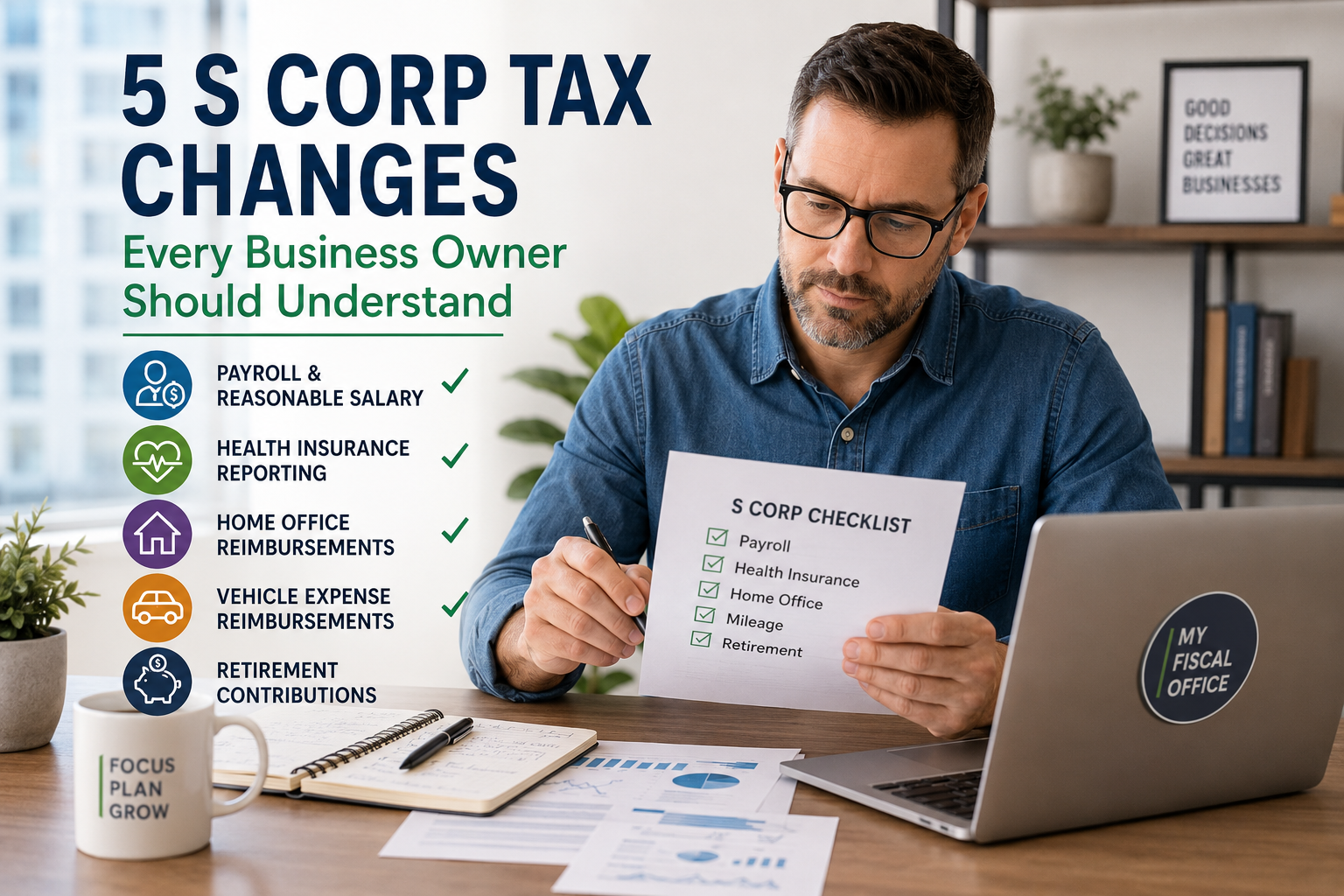
S Corp tax changes are numerous and some are not so obvious. A few weeks ago, we discussed converting a single-member LLC to an S corporation and why the math can be different for a business operating in New York City. This is the practical follow-up: what actually changes once the S corporation election takesContinue reading “S Corp tax changes: 5 Changes Business Owners Should Understand”
New York City S Corp: Is an S Corp Really Worth It for Your Business?
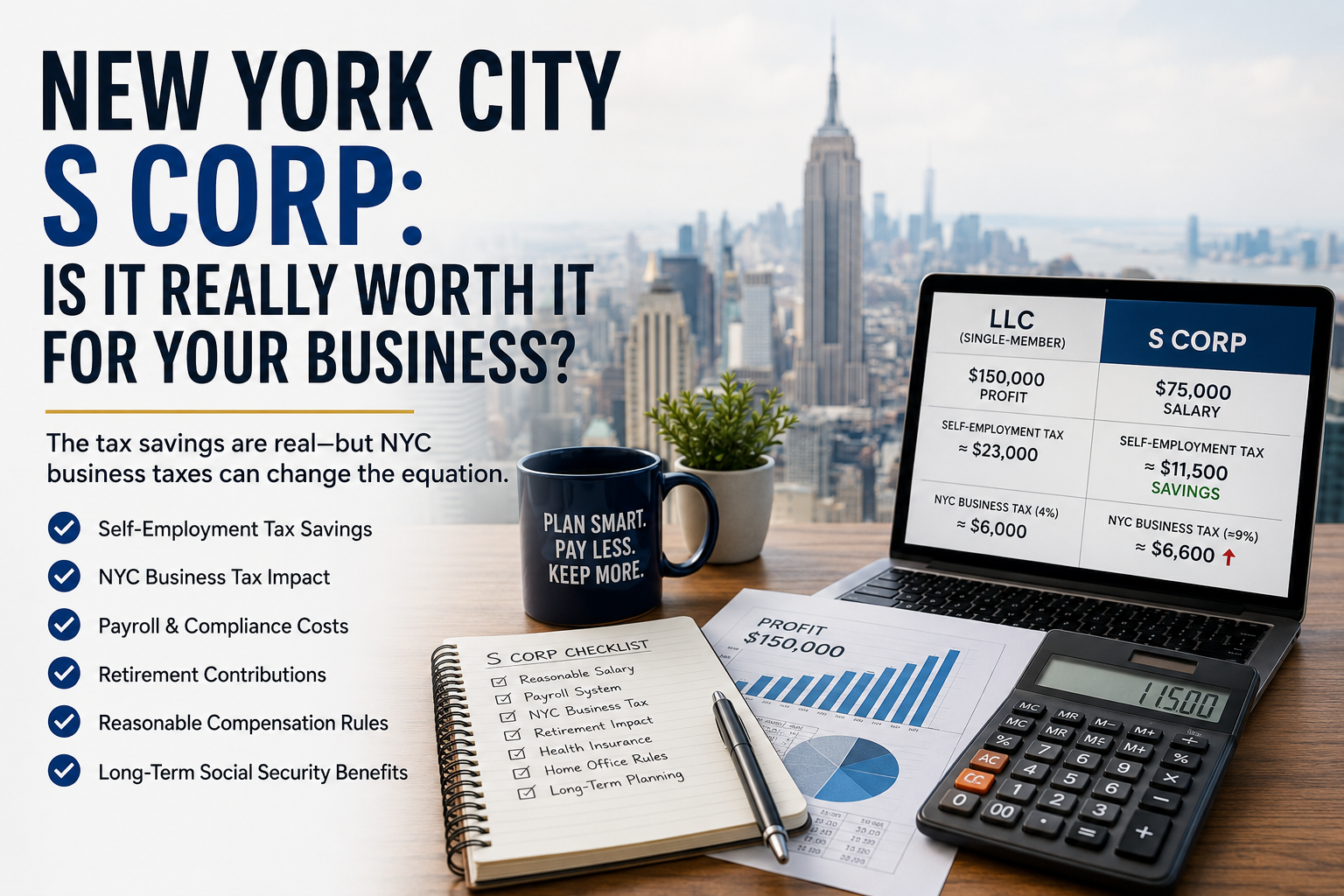
If you’ve been researching a New York City S Corp, you’ve probably seen articles claiming an S Corp election can save thousands of dollars in self-employment taxes. While that’s often true, business owners in New York City need to look beyond the federal tax savings. New York City has its own business tax rules thatContinue reading “New York City S Corp: Is an S Corp Really Worth It for Your Business?”
NYC Sales Tax Compliance: What Every Business Owner Should Know

When starting or running a business in New York City, there are countless regulations to manage. One area that frequently causes confusion is NYC sales tax compliance. While many business owners understand that sales tax applies to physical products, fewer realize that certain services are also taxable in New York State and New York City.Continue reading “NYC Sales Tax Compliance: What Every Business Owner Should Know”
NYC business Tax: How to Reduce When Your Profit Exceeds $90,000

If you’re looking for ways to reduce NYC business tax, you’re not alone. Many New York City business owners are surprised when they discover they’re paying an additional city-level business tax on top of their federal and state tax obligations. The good news is that there may be opportunities to legally reduce or even eliminateContinue reading “NYC business Tax: How to Reduce When Your Profit Exceeds $90,000”
Multi-State Tax Nexus: Why Your “Single-State” Business Might Secretly Owe Taxes Across the Country
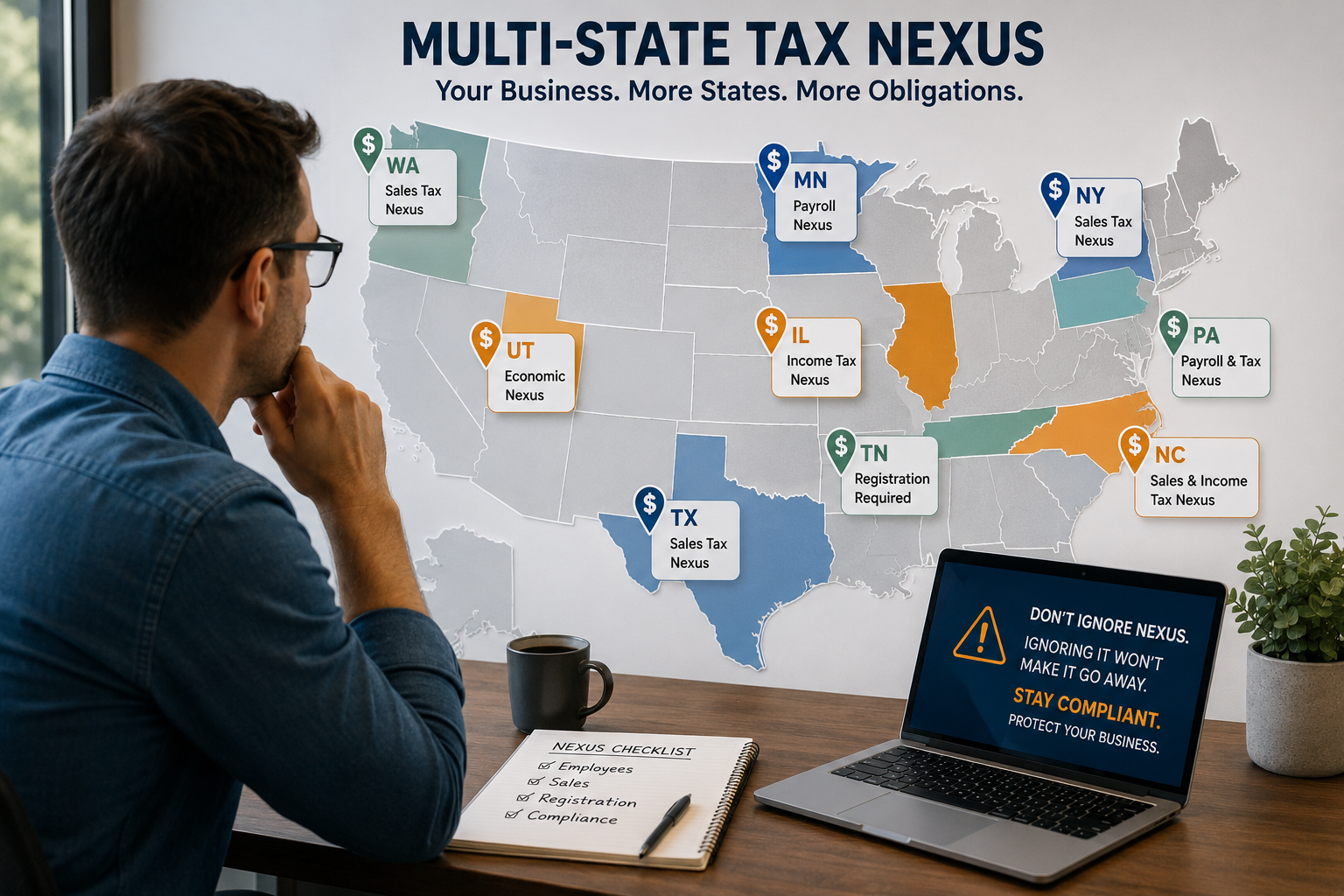
Many business owners assume that if their company operates from one state, their tax obligations stay there too. Unfortunately, that’s not always true. Multi-state tax nexus has become one of the biggest compliance challenges facing growing businesses, especially those with remote employees, online sales, and customers spread across the country. We’ve had the opportunity toContinue reading “Multi-State Tax Nexus: Why Your “Single-State” Business Might Secretly Owe Taxes Across the Country”